
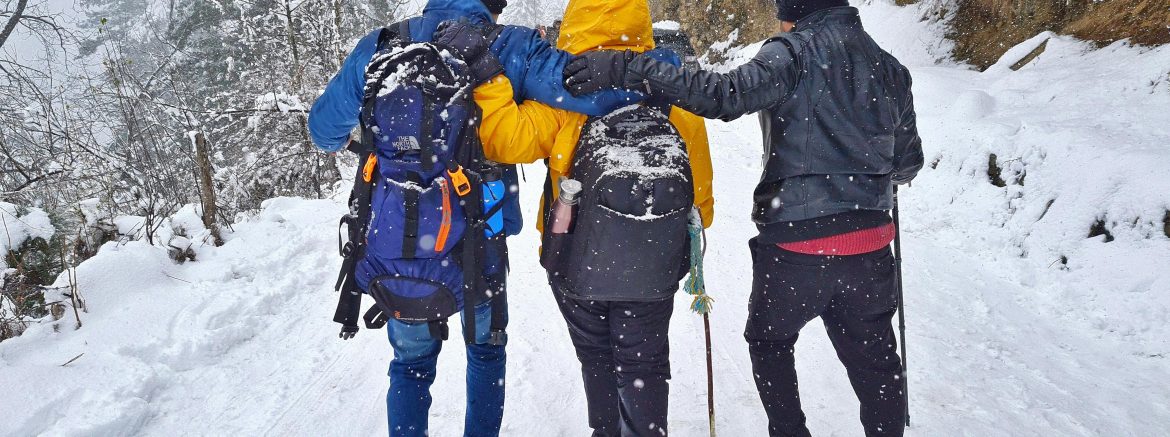
Why the Festive Season Works in a Traveller’s Favour?
Holiday travel gets a bad reputation, such as being too crowded, too expensive, and too chaotic. That’s not entirely wrong, but it’s also not the full picture. What tends to get ignored is how different the social atmosphere feels once winter sets in.
Colder weather changes behaviour. People linger indoors longer. Cafés stay busy. Shared spaces feel less transitional and more settled. Instead of passing through, people pause. That shift alone increases the chances of an actual conversation happening.
There’s also a noticeable change in mood. Seasonal periods tend to make people more open, more willing to talk, include others, or simply acknowledge strangers. For someone moving between cities, that difference is significant. Interactions that might take days to build in other seasons can happen in a single evening.
When Crowds Don’t Feel Like Crowds
Winter isn’t less busy or quieter, it’s just different. The energy is less frantic compared to summer peaks. Conversations feel easier to start, and more importantly, easier to continue. That’s largely because the environment does the work for you. Seasonal events create shared ground without effort. Whether it’s a small market, a food stall, or a themed walk, there’s always something to comment on. That removes the usual friction of starting from nothing.
Common entry points tend to be simple:
- Local winter markets
- Temporary food pop-ups
- Guided or themed walks
- Small workshops or indoor events
None of these are designed as a networking space, but they work better than most intentional ones. A conversation over something warm in cold weather tends to last longer than one started in a loud bar.
Choosing Environments That Do the Work for You
Not every social setting delivers the same outcome. Some environments make interaction easier without forcing it. Others do the opposite.
Large parties and generic nightlife often lead to fragmented conversations. People move in and out of conversations quickly, attention drifts, and most interactions don’t go anywhere. Smaller, experience-led settings tend to work better because they give people something to share beyond small talk.
A few patterns consistently hold up:
- Events with a storyline or theme keep people engaged longer
- Smaller groups reduce social drop-off
- Spaces designed for interaction (like communal lounges or shared tables) increase repeat contact
Digital tools still help, but not in the way most people use them. Instead of scrolling endlessly, they’re more useful when treated as filters, just enough to find something specific and move on.
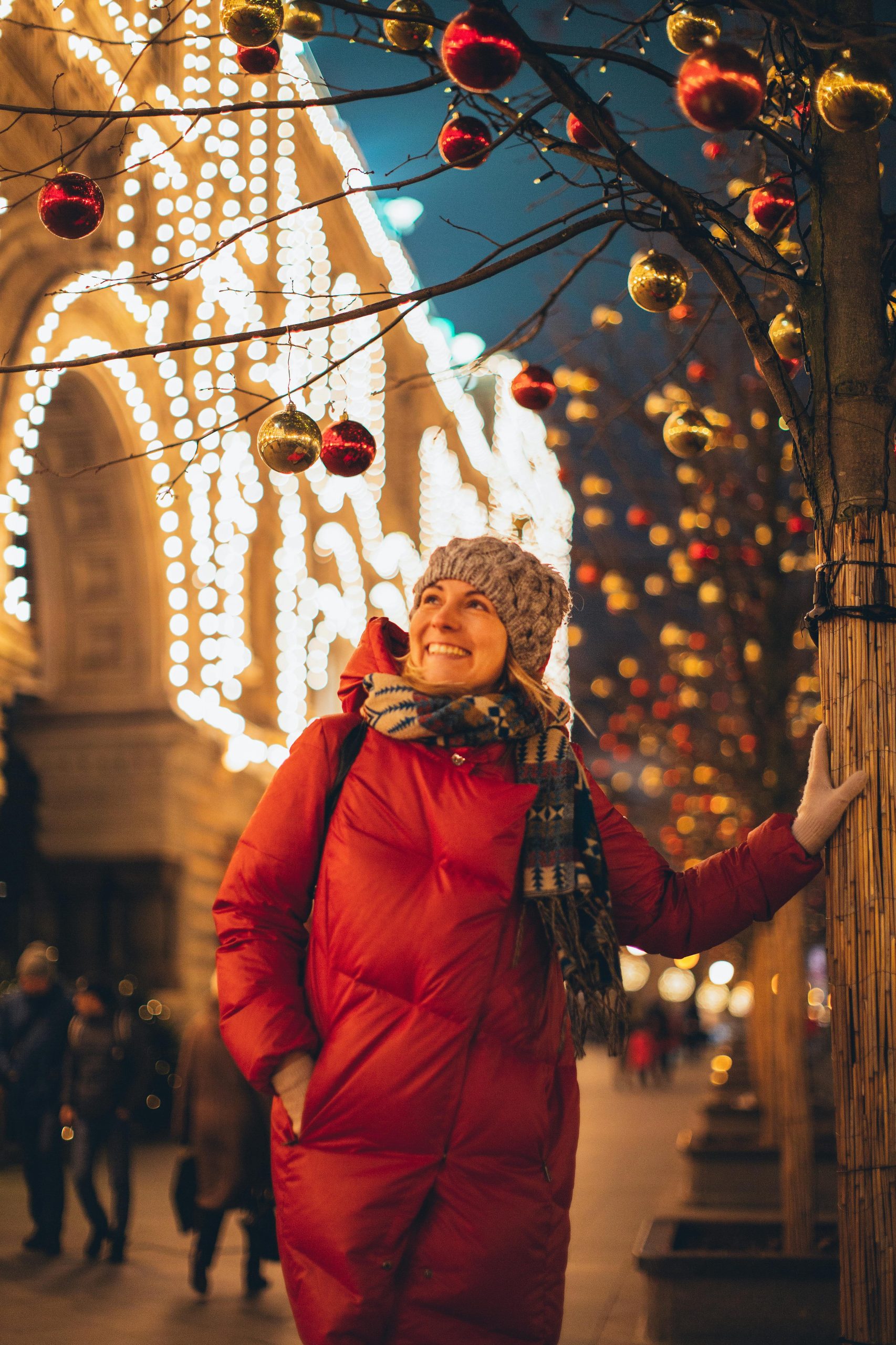
A Note on London During the Festive Season
Some cities handle the festive season better than others. London is one of them, not because it’s quieter, but because it offers structure within the chaos.
Seasonal events there tend to combine atmosphere with activity. It’s rarely just “show up and drink.” There’s usually a layer of storytelling, history, or interaction built in. That structure makes it easier for people to engage with each other without forcing it.
Options like Christmas party ideas London show how this works in practice. Experiences that move through locations, introduce a narrative, or involve shared reactions naturally create conversation points. No one has to fabricate interaction; it happens on its own.
Creating Opportunities Instead of Waiting for Them
Relying only on existing events limits how much control there is over the experience. In many cases, small, informal setups work better. Simple ideas tend to outperform complex ones:
- A casual shared dinner in a hostel kitchen
- A low-effort gift exchange
- A short group visit to a nearby event
What matters isn’t scale, it’s clarity. If the idea is easy to understand and low commitment, people are far more likely to join. Over planning usually has the opposite effect.
Why Slight Discomfort Actually Helps
Cold weather, unfamiliar places, and disrupted routines aren’t what most people look for. But they do something useful: they create shared experience.
Waiting in the cold, figuring out directions, adjusting to new customs; these small moments give people something real to connect over. That’s often the difference. In more comfortable settings, people stay in their own lanes. In slightly uncomfortable ones, they look outward.
A Different Way to Look at Holiday Travel
It’s easy to see winter travel as inconvenient. Short days, unpredictable weather, crowded spots. But that view misses what’s actually happening underneath.
There’s a rare overlap during this time of year, people are more open, environments are more interactive, and events are designed to bring strangers into the same space with a shared purpose. That combination doesn’t show up as clearly in other seasons. And if that’s ignored, the experience becomes exactly what most people complain about: rushed, crowded, forgettable.
